Platform · Creator search
An influencer database that is searched live
We search Instagram and TikTok live, across 350 million creators. No stale lists. Send a brief, and a shortlist comes back in 6 hours. You say yes or no to each creator.
- Any niche, in any place
- Followers, views and engagement are read at the time of the search
- Each creator is checked for brand fit before the shortlist reaches you

Katie Blood
@katie_b · Instagram · 362K followers
- 350M
- creators searched live on Instagram and TikTok
- 20M+
- creator profiles in our own database
- 6 hours
- from your brief to a shortlist
The pool a live search runs across. It is not a stored list.
We have read and sorted 5.7 million Instagram posts.
You say yes or no to each creator.
Live search
Every search runs on the day you ask
A stored list of creators goes out of date. Follower counts change, accounts go quiet and new creators appear. We search Instagram and TikTok themselves, across 350 million creators, at the time of your brief.
- A niche does not have to be on a list of categories
- Creators are found by where they post from
- A creator who started posting last week can be found
- Vegan food creators in Austin, Texas
- Dog owners in Manchester with 10K to 50K followers
- Golf creators on TikTok in Scotland
Checked by a person
A shortlist built from your brief
A filter finds accounts. A person decides whether the content suits the brand. Across our campaigns, brand fit was the reason for 58% of the creators dropped from a shortlist.
- Each creator comes with their numbers, their subjects and their recent posts
- We check which brands they have posted for, competitors included
- The shortlist arrives 6 hours after the brief
Katie Blood
@katie_b · Instagram · 362K followers
Our own database
What we already know about a creator
A live search finds the creator. Our own database adds what we already know. It holds over 20 million creator profiles, and we have read 5.7 million Instagram posts and sorted each one by subject.
- What a creator posts about, taken from their own posts
- Which brands they have posted for
- What each number counts is set out lower on this page
- 350M
- creators searched live on Instagram and TikTok
- 20M+
- creator profiles in our own database
- 5.7M
- Instagram posts read and sorted by subject
How it works
From your brief to creators you approve
- 01
You send a brief
The product, who buys it, where it is sold and what you want made.
- 02
We search live
Instagram and TikTok, by subject, place and size.
- 03
We check each creator
A person watches their posts and drops the ones that do not fit.
- 04
You say yes or no
The shortlist arrives in 6 hours. We write only to the creators you keep.
The difference
Searching on your own, or through Sup
Where the creators come from
On your own
A stored list, as fresh as its last update
With Sup
A live search of Instagram and TikTok
Who runs the search
On your own
Someone on your team
With Sup
Our team and our AI agents, from your brief
Checking the fit
On your own
You open each profile
With Sup
A person watches the posts before you see the list
Rival brands
On your own
Easy to miss
With Sup
Checked against the brands a creator has posted for
After the search
On your own
The outreach, the contracts and the payments are still to do
With Sup
We do the outreach, the contract, the approval and the payment
The detail
How the search works, with one real shortlist
An influencer database is a searchable record of creators. Most are a stored list, and a stored list goes stale. Below is how our live search works, one real shortlist from start to finish, why creators are dropped and what each of our numbers counts.
Live search
No stale lists. Every search is run fresh
A stored database is a photograph of creators on the day it was made. We search Instagram and TikTok themselves, at the time of your brief. That is how we find a creator for any niche in any place, for every campaign.
Any niche
We search the words creators use for themselves, in their names and their bios, the way you would in the app. A niche does not have to be on a list of categories to be found.
Any place
A shop or a restaurant needs creators who can walk in. We find creators by where they post from, and check where each one is based before they reach the shortlist.
Fresh numbers
Each creator’s followers, views and engagement are read at the time of the search. A creator who started posting last week can be found, and one who stopped is not offered to you.
A worked example
One real shortlist:  Syncron, June 2026
A search page shows a search box and an example result, as the top of this page does. This is what happened on one real campaign, from the shortlist to the posts.
- 229
- creators went on the shortlist for one brief
- 4.9M
- views on the posts that came of it
- $9.92
- creator cost per 1,000 views
We wrote to every one of them.
The count includes views from ads run on the posts.
Creator fees only, without ad spend.
We wrote to all 229 creators on this list. 20 signed, and their posts have 4.9M views. A database gives you the names. The emails, the fee talks and the answers are the work that comes after it, and we do that work for you. Every post is in the open report on the tracking page.
How we counted. From the records of this one campaign. No creator is named. The views are from the campaign’s report of 5 October 2026. Read on 6 October 2026.
Across every campaign
Why creators are dropped from a shortlist
Every creator we drop from a shortlist at the review carries a reason. Search tools let you filter by numbers. Most creators are dropped for something else.
- Not the right brand fit58%
- Not enough engagement20%
- Not the right target audience17%
- Not enough followers4%
- Not enough views1%
Of the creators dropped with a reason.
Brand fit is 58% of it
The creator’s style, subject or tone was wrong for the brand. A follower filter cannot see that. Someone has to watch the posts.
Numbers are 25%
Too little engagement, too few followers or too few views. These are the reasons a search tool can catch before a person looks.
The audience is the rest
The creator fits, and the people who watch them do not. It shows in who comments, and in where the creator is based.
What we do with it
Every dropped creator carries a reason, so the next shortlist for that brand can start from what was turned down.
The numbers
What each number counts
Database pages quote sizes from 10 million to 450 million profiles, and several give two different numbers on the same site. Here are our three, with what each one counts and where it comes from.
| Number | What it counts | Where it comes from |
|---|---|---|
| 350 million | Creators on Instagram and TikTok that our live search runs across. It is a live pool, not a list we store | Sup’s figure for its live search. For scale, creator databases that index the same two platforms publish totals from 200 million to 450 million |
| Over 20 million | Creator profiles in our own database | A database of creator profiles that we acquired in October 2026 |
| 5.7 million | Instagram posts that we have read and sorted by subject | Our database’s own count, rounded down |
What we hold on a creator whose posts we have read
| What we hold | Where it comes from |
|---|---|
| Followers, average views and engagement rate | Their public Instagram and TikTok accounts |
| What they post about | Their own posts, each sorted into one of 54 subjects |
| Where they are based | The places in their posts, checked against their bio |
| Which brands they have posted for | The brands tagged in their posts |
| Whether a post was paid for | Each post is labelled sponsored, gifted, affiliate, ambassador or organic |
| Whether they post for your competitors | The same brand tags, read against your category |
Done for you
From a brief to a shortlist you approve
Every search tool assumes someone on your team has the hours to run it. This is what happens when you send us the brief.
- 01
You send the brief
The product, who buys it, where it is sold and what you want made. One page is enough.
- Who:
- You
- You:
- Write or approve the brief
- 02
We search Instagram and TikTok live
By subject, place and size, at the time of your brief. Then we check each creator against our own database: what they post about, and which brands they have posted for, competitors included.
- Who:
- Our team and our AI agents
- 03
We watch the posts
A filter finds accounts. A person decides whether the content suits the brand, which is the reason most creators are dropped.
- Who:
- Our team
- 04
The shortlist arrives
Each creator with their numbers, their subjects, where they are based and their recent posts.
- Who:
- Our team
- How long:
- 6 hours from the brief
- 05
You say yes or no
To each creator, with a reason when it is a no. An agency can hand the same list to its client.
- Who:
- You
- You:
- Approve each creator
- 06
We write to the ones you kept
Outreach starts from the approved list. A creator you dropped is not contacted.
- Who:
- Our team and our AI agents
Which one do you need
A database, a marketplace or a team
A database is wide. It lists creators whether or not they have heard of it, and your team does the searching, the emails and everything after. It is only as fresh as its last update. It suits a team that already runs creator campaigns every week.
A marketplace lists only creators who signed up, usually with a price on each. It is the quickest way to buy one video. It is narrow, and the creators on it are the ones looking for work.
A team with a live search finds creators on the platforms themselves and does the work after it: the outreach, the contract, the approval and the payment. That is Sup. You can also browse creators yourself in the creator directory, by place and by subject, or by the brands they work with.
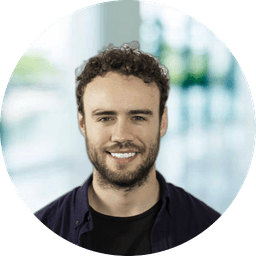
Written by
Matt Greenwell, Co-Founder and CEO of Sup
Matt started Sup in 2024 with Hassan Munir. Before Sup he co-founded Storefront, the marketplace for booking pop-up retail space. Before that he worked at Goldman Sachs.
The campaign figures are counted from Sup’s own database and campaign records. The table on this page says what each of the three database numbers counts. No creator is named. Updated 5 October 2026.
FAQ
Influencer database questions
What is an influencer database?
It is a searchable record of creators and what is known about each one: their accounts, their follower count, what they post about, where they are based and which brands they have worked with. A brand uses it to find creators who fit a campaign before it contacts anyone. A stored database goes out of date, which is why we also search the platforms live.
How many influencers can Sup search?
We search Instagram and TikTok live, across 350 million creators. That is the pool the search runs on, not a list we store. Our own database holds over 20 million creator profiles, and we have read and sorted 5.7 million Instagram posts.
What is a live search?
A search run on Instagram and TikTok at the time of your brief, not on a list saved months ago. A creator who started posting last week can be found, and each creator’s followers, views and engagement are read fresh.
Is the search free?
The free influencer search on this site needs no sign-up. A full shortlist built for a brief is part of the service. Finding creators is free. Sup costs $0 a month, and you pay the price you approve for each creator, when their post is live.
How do I find influencers for my brand?
Start from the customer, not the creator. Write down who buys the product and where they live, then look for creators whose posts are about that subject in that place. Check what they have posted for other brands before you check their follower count.
How do you find local creators?
From where their posts were made. A bio can say "London" for years after someone has moved. We work out a creator’s home from the places in their own posts, and the contract makes the location a condition when a campaign needs it.
What is the difference between a database and a marketplace?
A database lists creators whether or not they have signed up, and you contact them yourself. A marketplace lists only creators who joined it, usually with a price on each. A database is wider, and a live search is wider again. A marketplace is quicker for a small job. With any of them, the contact, the fee, the contract and the payment are still your work.
What should I check before I hire an influencer?
Four things. That their recent posts are about your subject. That they are based where you sell. Which brands they have posted for, and whether one is your competitor. And that their views are steady from post to post, because one viral post can hide a quiet account.
How do you spot fake followers?
By comparing an account’s views and engagement with its follower count. The free fake follower check on this site does it for any Instagram handle.
How much does it cost to hire an influencer?
It depends on their size, the content and the rights you want. The influencer rate calculator on this site shows what creators of each size asked for and signed at on real campaigns.
The rest of the platform
One team does all six
Contracts
The agreement our creators sign, clause by clause, and the terms that are usual in it.
Tracking and reporting
One real campaign report, open to read, and where each number in it comes from.
Outreach
Where our outreach contacts stand today, why creators say no, and the emails we send.
Payments
How creators are paid, how long it takes on our campaigns and what you pay for.
Briefs and approvals
The approval process step by step, how many versions a draft takes and a checklist to copy.
The campaigns we run
UGC, Spark Ads and partnership ads, gifting, influencer posts, ambassador programs and TikTok.
No time to search?
Send a brief. We search Instagram and TikTok live and send a shortlist in 6 hours. You say yes or no to each creator, we do the outreach, and you only pay for posts that go live.
 Book a call