20 April 2026
Brand & Content: A Guide to Scaling Creator Programs
Teams often don’t have a creator strategy problem. They have an operating system problem.
The symptoms are familiar. Creator names live in a spreadsheet nobody fully trusts. Briefs sit in old email threads. Codes get shared late. Posts go live without tracking. Someone on the team spends half a day chasing usage rights for a piece of content that performed well a month ago. Then leadership asks the obvious question: what did we get from this?
That’s where brand & content usually breaks down. Not at the idea stage. At the handoff points between strategy, creators, approvals, publishing, attribution, and reuse.
The fix isn’t running more collaborations. It’s building a creator content engine that turns good creative into a repeatable growth channel.
From Manual Chaos to a Content Engine
A one-off collaboration can work. A handful of one-off collaborations usually creates mess.
You start with good intentions. Find a few creators, send the brief, approve drafts, track links, collect assets, report performance. Then volume increases and the cracks show. Follow-ups get missed. Deadlines slip. Someone forgets to send the right promo code. Reporting becomes a mix of screenshots, platform data, and guesswork.
That’s not a creator programme. That’s manual admin wearing a creative hat.
What changes when you build an engine
A content engine is different because it treats creator work as a system, not a series of isolated deals. The workflow is clear before outreach starts. You know what type of creator you need, what content format you want, what success looks like, how the asset will be tracked, and where it will be reused after the post goes live.
That structure matters because creator content performs differently from polished brand output. When brands mix professional content with UGC, brand engagements rise by 28%, and ads featuring UGC get 73% more positive comments on social networks, according to Quietly’s history of content marketing and UGC performance. The upside is clear. The problem is execution.
Practical rule: If your team can’t explain how a creator asset moves from outreach to attribution to reuse, you don’t have a scalable programme yet.
The operational side matters just as much as the creative. The same Quietly source notes that modern attribution platforms can save teams up to 95% of the time spent on manual campaign management. That’s the difference between a team stuck in DMs and a team running campaigns with enough consistency to learn what works.
The real job isn’t content creation
The main job is building a repeatable pipeline for:
- Sourcing creators: finding people who match your niche, location, and audience
- Launching campaigns: sending the right brief, terms, and timelines
- Tracking outcomes: connecting content to clicks, bookings, purchases, or code redemptions
- Reusing assets: extending the value of every strong post across paid and owned channels
If your team is still doing most of that by hand, it helps to understand what is content automation in practical terms. Not as a buzzword. As a way to remove repetitive coordination so the team can spend more time on creator fit, creative quality, and commercial decisions.
A mature creator programme doesn’t feel busier. It feels calmer. That’s usually the first sign the system is finally working.
Laying Your Strategic Foundation for Scalable Content
The fastest way to waste budget in creator marketing is to start outreach before the strategy is settled.
Teams often move too early. They shortlist creators because the content looks good, or because the creator has worked with adjacent brands, or because a founder likes their feed. None of that is enough. Before a single message goes out, you need a clear view of what role creator content plays in the business.
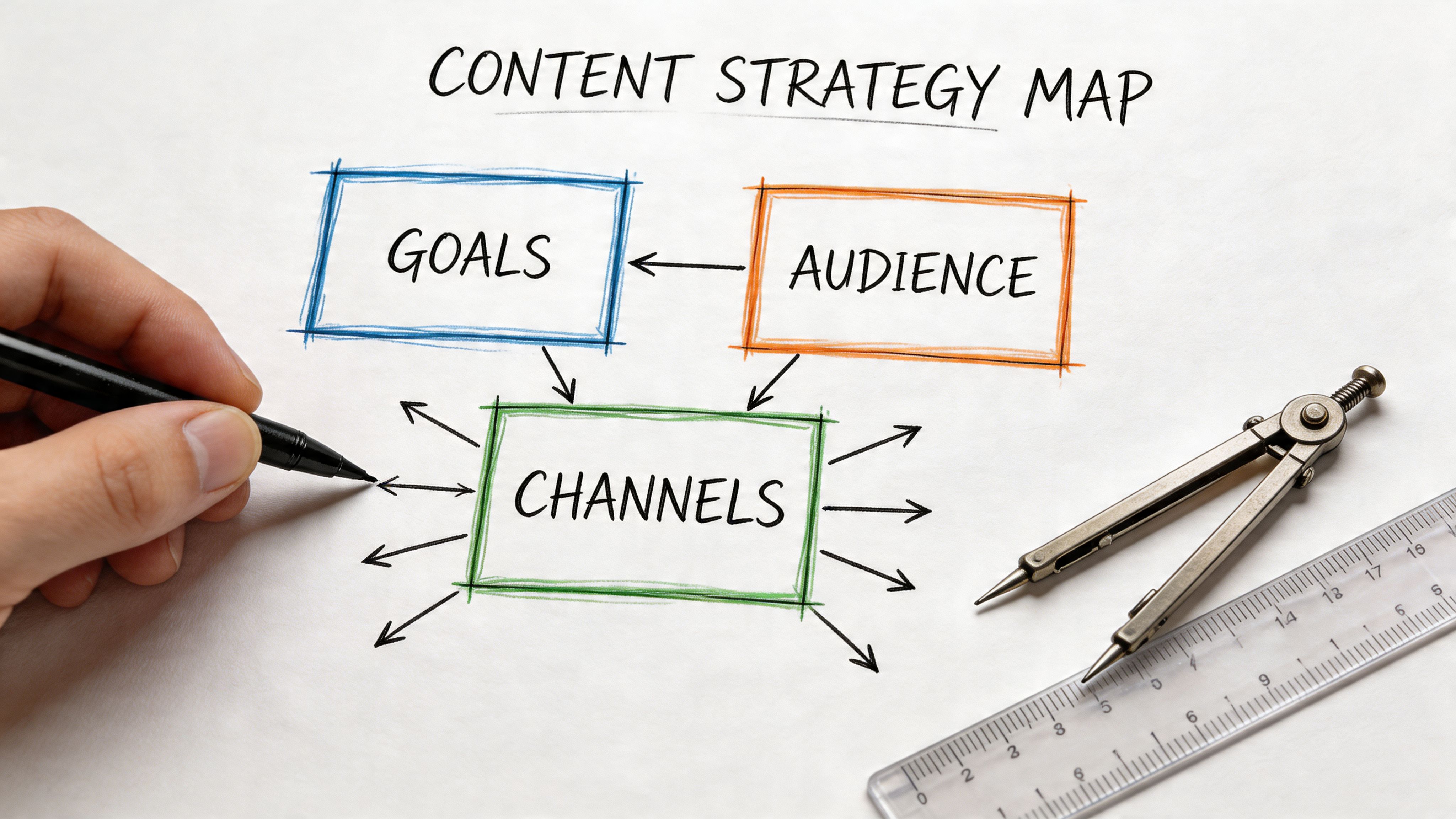
Start with the commercial objective
The first decision is simple. Are you buying reach, sales, reviews, bookings, content assets, or some combination of those?
That answer changes everything. An awareness campaign can tolerate looser creator selection and broader storytelling. A conversion campaign can’t. It needs tighter product-market fit, stronger calls to action, cleaner tracking, and creators whose audiences already trust their recommendations.
I usually split creator work into three lanes:
| Campaign lane | What it’s for | What matters most |
|---|---|---|
| Awareness | Reach, discovery, brand perception | Creator fit, storytelling, attention |
| Consideration | Education, product understanding, social proof | Clarity, objections, use-case relevance |
| Conversion | Purchases, bookings, redemptions | Trust, urgency, clean offer delivery |
Teams get into trouble when they ask one piece of content to do all three.
Build an Ideal Creator Profile properly
Follower count is one of the weakest filters in the process. Useful, sometimes. Decisive, rarely.
A stronger Ideal Creator Profile includes:
- Niche relevance: Does the creator already talk about the category naturally?
- Audience match: Is their audience close to your ideal buyer?
- Platform behaviour: Do they drive comments, saves, clicks, or just passive views?
- Visual fit: Does their style sit naturally beside your existing brand & content?
- Commercial maturity: Can they follow a brief, hit a deadline, and disclose properly?
- Location fit: For restaurants, hospitality groups, and multi-site brands, can they influence in the right catchment area?
Experienced teams save time with their discerning approach. They don’t ask, “Is this creator good?” They ask, “Is this creator good for this job?”
The best creator partnerships don’t come from broad relevance. They come from tight relevance.
Define voice guardrails before personalisation starts
One of the biggest blind spots in creator marketing is assuming that personalisation and brand consistency will sort themselves out. They won’t.
There’s a real gap in marketing guidance here. The challenge isn’t whether personalisation matters. It’s how to personalise at scale without losing your point of view. As noted in LiveChat’s discussion of digital marketing niches and brand positioning, there’s a critical gap in guidance on maintaining authenticity while personalising across multiple creator partnerships, especially for hospitality and ecommerce brands that need local adaptation while keeping the brand voice recognisable.
That issue shows up quickly in creator campaigns. One creator sounds too polished and scripted. Another leans into trends that don’t match the brand. A third nails the visuals but frames the product in a way your team would never say.
Use a voice framework, not a script
The brands that scale well usually give creators a compact set of guardrails:
- What we believe: the point of view the brand stands for
- What we always say: recurring themes or product truths
- What we never say: claims, phrases, or tones that create brand risk
- What this market needs: local context, audience nuance, and offer relevance
That keeps the output recognisable without flattening the creator’s own voice.
A good test is simple. Remove the logo and the handle. Could someone still tell the content belongs in your brand world? If the answer is no, the programme doesn’t have enough strategic definition yet.
Choose constraints that improve creativity
Bad strategy creates bloated briefs. Good strategy removes decisions.
Creators don’t need fifteen pages of brand history. They need enough context to make strong choices quickly. Clear audience signals, a defined campaign role, visual references, talking points, and essential requirements are usually enough.
When strategy is done well, later steps get easier:
- creator selection becomes faster
- approval cycles get shorter
- attribution gets cleaner
- reused content fits more naturally across paid, owned, and organic channels
That’s the foundation. Without it, you’re not scaling content. You’re scaling inconsistency.
Crafting Creator Briefs That Inspire and Convert
Most weak creator content starts with a weak brief.
Not because the brief was too short. Usually because it was confused. It asked for awareness language with conversion expectations. It included generic brand values but no real angle. It told the creator what to show, but not why any of it mattered.
A strong brief gives direction without draining the life out of the content.
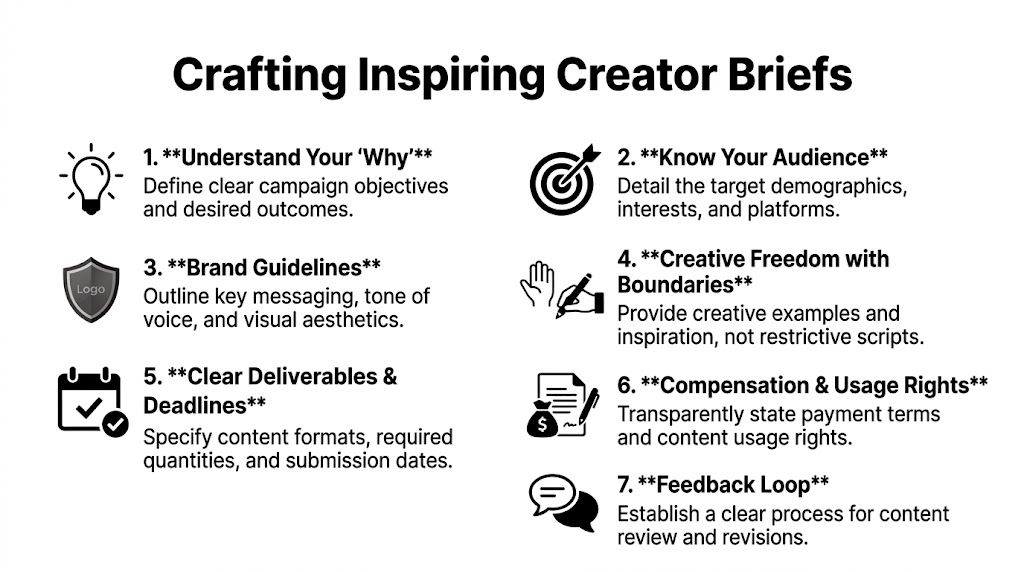
The brief starts with the job to be done
The first line of the brief should answer one question: what is this content supposed to do?
That sounds obvious, but plenty of briefs still open with company background and boilerplate messaging. Creators need the campaign objective first because it shapes tone, hook, pacing, and call to action.
A useful opening looks more like this:
- Awareness example: Introduce the brand to people who haven’t heard of it and make the experience feel desirable and easy to picture.
- Conversion example: Show exactly how the product fits into a daily routine and give the audience a clear reason to act now.
- Hospitality example: Make the venue feel worth visiting by highlighting atmosphere, signature menu items, and the occasion it suits.
That framing gives the creator something to solve.
Include the audience, not just the platform
“Post this on Instagram” isn’t audience guidance.
Creators make better work when they know who the message is for. That means giving them practical detail about the intended viewer. Are you speaking to first-time buyers, loyal customers, local diners, weekend visitors, gifting shoppers, or people comparing options in a crowded category?
Use specifics such as:
- Buyer stage: new to category, actively comparing, ready to purchase
- Context: weekday lunch, date night, gym bag essential, travel convenience
- Pain point: choice overload, low trust, price sensitivity, lack of product understanding
If the creator understands the viewer’s situation, the content gets sharper quickly.
Spell out deliverables with zero ambiguity
At this stage, brands either save time or create rounds of unnecessary back-and-forth.
Every brief should define:
- Format: Reel, TikTok, Stories, static image, carousel
- Volume: exactly what’s being delivered
- Timeline: draft date, feedback window, live date
- Mandatory inclusions: tags, hashtags, links, promo codes, booking instructions
- Usage rights: where the brand can reuse the content
Don’t rely on “the creator probably knows what we mean”. They don’t. And they shouldn’t have to guess.
Here’s a clean example:
| Brief field | Ecommerce product launch | Restaurant visit |
|---|---|---|
| Primary asset | 1 short-form video showing unboxing and first use | 1 short-form video showing arrival, ambience, food, and occasion |
| Support assets | 3 story frames with product link and code | 3 story frames with location tag and booking prompt |
| Key CTA | Use creator code at checkout | Book a table or visit this week |
| Brand must-haves | Product name, code, website mention | Venue tag, location, signature item mention |
Give creators angles, not scripts
Overwritten scripts produce dead content. The creator sounds like a junior copywriter trying to imitate the brand team.
A better approach is to provide messaging pillars and optional hooks.
For example:
- Product truth: why the item exists or what problem it solves
- Emotional angle: convenience, confidence, comfort, discovery, indulgence
- Proof point: what the creator can show on camera to make the claim feel real
- CTA route: click, book, save, redeem code, visit in person
Then add a few approved directions:
- “Show how this fits into your morning routine”
- “Compare this to what you usually use”
- “Highlight the atmosphere from entry to first bite”
- “Focus on who this is ideal for”
What works: “Make this feel like your normal content, but land these two product truths and show the experience clearly.”
That gives structure without forcing the creator into ad-speak.
Include visual and brand guardrails
In this context, brand & content teams protect consistency without over-managing.
Useful guardrails include:
- Do show: product in real use, venue lighting, packaging close-ups, natural reactions
- Avoid: cluttered backgrounds, heavy filters, unclear product shots, misleading claims
- Tone cues: warm, direct, premium, playful, expert-led
- Disclosure requirements: make the commercial relationship clear
What doesn’t work is sending a giant PDF full of abstract brand language and expecting it to shape the output.
Explain why the campaign matters
Creators respond better when they understand the point of the work. Not in a motivational poster sense. In a commercial sense.
Tell them what the business is trying to achieve and why this campaign matters right now. Product launch, seasonal push, new menu, local opening, review generation, content refresh, paid social testing. That context changes how seriously they approach the assignment.
Build feedback into the brief itself
If your team waits until the draft arrives to decide how approvals work, you’ve already created friction.
State:
- who reviews the draft
- how feedback will be sent
- how many revision rounds are included
- what counts as a revision versus a reshoot
- the approval deadline
Good creators value this because it protects their time as much as yours.
A strong brief doesn’t just reduce mistakes. It raises the floor on content quality before production even starts.
Sourcing Outreach and Campaign Management at Scale
The operational side of creator marketing often sees teams subtly lose momentum.
They don’t fail because they can’t find creators. They fail because the process for finding, contacting, vetting, negotiating, approving, and chasing creators stays manual long after the programme has grown past manual capacity.
Source for fit, not convenience
The easiest creators to find aren’t always the right ones to hire.
A scalable sourcing process usually filters in this order:
- Category fit
- Location relevance
- Content quality
- Audience alignment
- Reliability signals
That order matters. Teams often reverse it and start with visible creators who look polished. Then they try to force the fit afterwards.
For hospitality and location-led brands, local relevance often beats broad popularity. For DTC ecommerce, category fluency usually matters more than reach. A creator who already talks naturally about beauty, home, food, fitness, parenting, or travel is easier to brief and more believable on camera.
Look for proof of audience trust
You don’t need a perfect engagement formula to spot weak fit.
Check the basics:
- Comments quality: are people responding to the creator personally, or just dropping emojis?
- Content consistency: does the creator have a recognisable style and posting rhythm?
- Brand history: have they already posted too many mismatched sponsorships?
- Storytelling ability: can they make everyday content feel watchable?
- Response speed: are they professional in early communication?
A creator can have a good aesthetic and still be a poor campaign partner. Reliability is part of performance.
Outreach should feel researched, not mass-sent
Most creators can spot lazy outreach instantly. Generic intros, no reference to their work, vague asks, no commercial context.
A simple outreach message works better when it does three things:
- shows you know why they were selected
- states the campaign clearly
- makes the next step easy
For example:
Hi [Name], we’re planning a local campaign for [brand] focused on [specific offer, product, or experience]. We liked how you cover [relevant niche or style], especially the way you show [specific content behaviour]. We’re looking for short-form content with clear deliverables and usage terms. If that sounds relevant, I can send the brief and timing.
That’s enough. It respects their time and gets to the point.
Build a workflow that removes repeat admin
Most of the admin pain comes from five repeated tasks:
- creator follow-ups
- asset collection
- version control
- publishing confirmations
- payment tracking
When these live across DMs, email, notes, and spreadsheets, campaign management becomes fragile. One missed handoff creates delays across the whole chain.
A better setup centralises:
- creator status
- brief version
- contract or usage terms
- draft links
- live post URLs
- tracking links and codes
- payment state
Teams handling bigger creator volumes often move to dedicated tooling for this. One option is how to scale influencer marketing from 5 to 500 creators, which outlines a more structured operating model for campaign volume. Tools such as GRIN, Modash, CreatorIQ, and Sup are all used for different parts of the workflow depending on whether the need is discovery, communication, attribution, or end-to-end management.
Separate negotiation from creative alignment
This is a common process mistake. Teams mix commercial terms with creative discussion in the same thread, and both conversations get muddled.
Keep these distinct:
- Commercial thread: fee, gifting terms, timing, rights, payment, exclusivity
- Creative thread: brief, references, deliverables, hooks, approval notes
That separation speeds things up and reduces misunderstandings.
Use campaign stages people can actually manage
You don’t need a complex system. You need one everyone follows.
A practical pipeline might look like this:
| Stage | Key decision |
|---|---|
| Prospecting | Is the creator worth contacting? |
| Qualified | Do they fit the campaign and respond professionally? |
| Agreed | Are terms, timeline, and deliverables locked? |
| In production | Has the brief been accepted and content begun? |
| Pending approval | Does the draft meet brand and legal needs? |
| Live | Has the content been posted with correct tracking? |
| Closed | Have assets, metrics, and payments been completed? |
This sounds operational because it is. Scalable creator programmes are usually won by teams that reduce ambiguity in the boring parts.
Slow campaigns rarely come from one big issue. They come from dozens of tiny unclear steps.
If your programme still depends on one person remembering everything, it isn’t ready to scale.
Tracking Performance and Proving Real ROI
Creator content becomes easier to defend internally when measurement is set up before launch, not patched together afterwards.
Too many teams still report on views, likes, shares, and comments as if those metrics answer a commercial question. They don’t. They describe attention. Useful, yes. Sufficient, no.
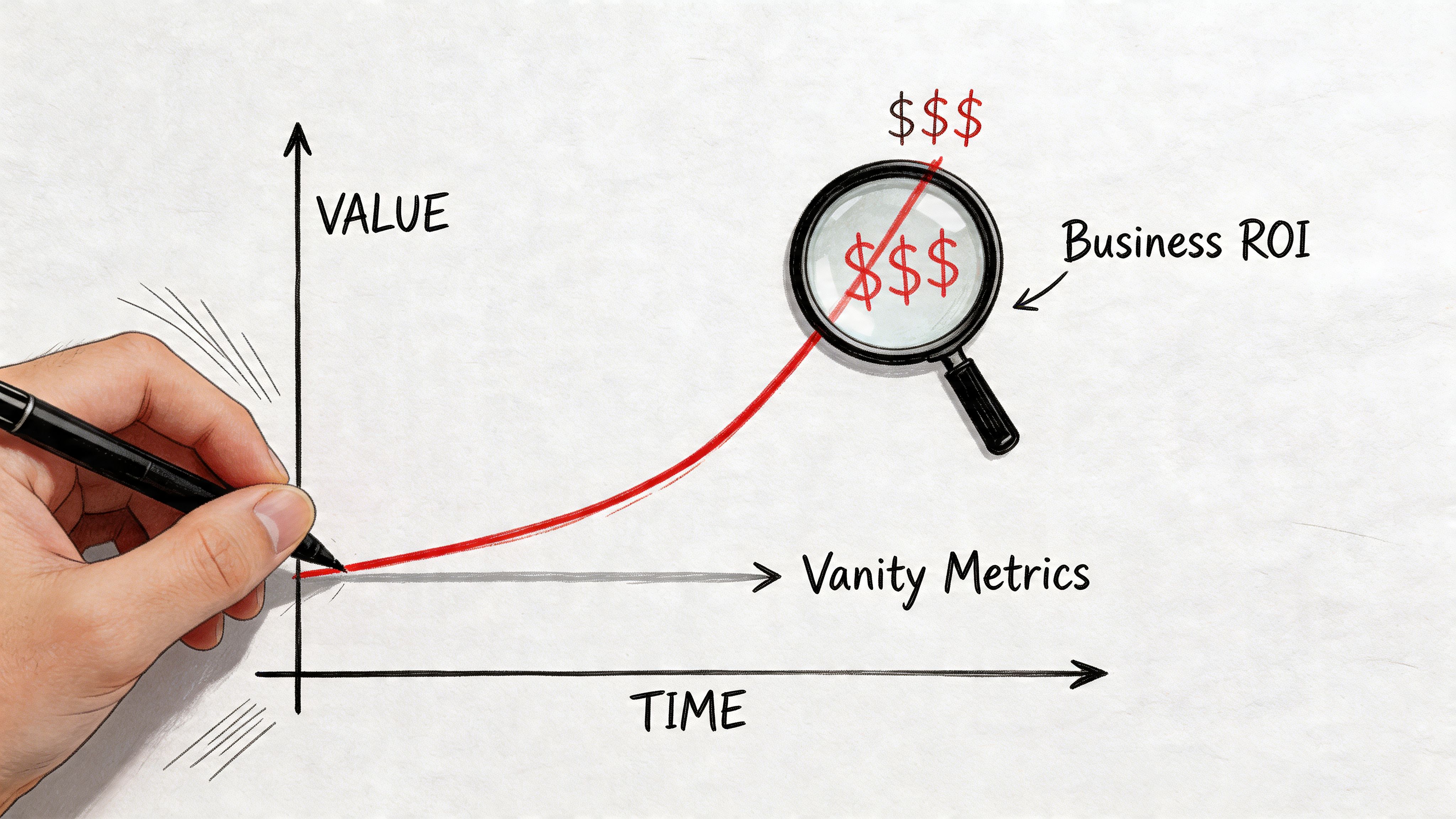
Start with attribution design
If you want to know what each creator contributed, every collaboration needs its own tracking structure.
The simplest setup usually includes:
- A unique UTM link for each creator
- A unique promo code tied to that creator
- A landing page or destination that matches the campaign intent
- A reporting view that pulls content activity and commercial outcomes together
This gives you two useful signals. The UTM captures clicks and on-site behaviour. The promo code captures direct redemption behaviour, which matters for ecommerce and can also work for bookings, offers, or in-store prompts depending on the business model.
What UTM links actually tell you
A UTM link isn’t complicated. It’s just a tagged URL that tells your analytics platform where the traffic came from.
For creator campaigns, the tags should distinguish:
- platform
- creator name
- campaign name
- content variation where relevant
That way, when someone clicks from a Story, Reel bio link, TikTok bio, or creator landing page, the visit doesn’t disappear into “social” as a vague source.
What matters is consistency. If one creator uses three versions of the link and another uses a shortened URL that strips parameters, your reporting quality drops immediately.
Promo codes close the loop on intent
Promo codes matter because not every customer converts in the same session they clicked.
Some people see a creator’s post, search for the brand later, then buy through a different route. The code gives them a way to carry the attribution with them. It also helps when creators want a cleaner call to action than a long link in a caption.
Many programmes underreport their value. They only count last-click link sales and miss customers who were influenced earlier in the journey.
For teams that want a more practical framework for calculating the ROI of content marketing, it helps to think in layers. Direct tracked revenue is the base layer. Assisted actions, asset value, and downstream paid performance sit above that.
Build a dashboard around decisions
The point of reporting isn’t to admire a dashboard. It’s to make better budget and creative decisions.
A useful creator dashboard should answer:
- which creators drove clicks
- which creators drove conversions or bookings
- which content format produced the strongest response
- which offer or CTA converted best
- which assets are worth reusing in paid or owned channels
- where spend underperformed and should be reworked or cut
After you have that level of visibility, campaign reviews get more honest. The conversation stops being “Did people like it?” and becomes “Did this creator, format, and message justify another round?”
This kind of reporting model is outlined well in influencer marketing ROI measurement frameworks, especially for teams that need to connect creator outputs to actual business outcomes rather than platform metrics alone.
Don’t mix brand reporting with creator reporting
This is another common mistake. Teams lump creator performance into broad paid social or organic social reporting and lose the signal.
Keep creator reporting segmented enough that you can compare:
- creator against creator
- campaign against campaign
- paid usage versus organic performance
- initial post value versus reused asset value
That segmentation is what lets you spot patterns. You may find one creator is average on their own channel but excellent once the content is repurposed for ads. Another may drive strong direct conversions but produce weak reusable assets. Both can still be valuable. They just play different roles.
A practical walkthrough helps here:
Report in a way finance and founders care about
Leadership usually wants three answers:
- What did we spend?
- What did we get back?
- What should we do next?
If your report can’t answer those cleanly, the programme will keep getting judged as experimental, even when the content is working.
The stronger creator teams treat measurement as part of campaign design, not a post-campaign clean-up task. That’s the difference between content that looks busy and content that earns more budget.
Maximising Value by Reusing Creator Content
The first post is only the start of the asset’s value.
A lot of brands still think about creator spend as payment for distribution on the creator’s channel. That’s too narrow. In practice, the longer-term commercial upside often comes from what the brand does with the content afterwards.
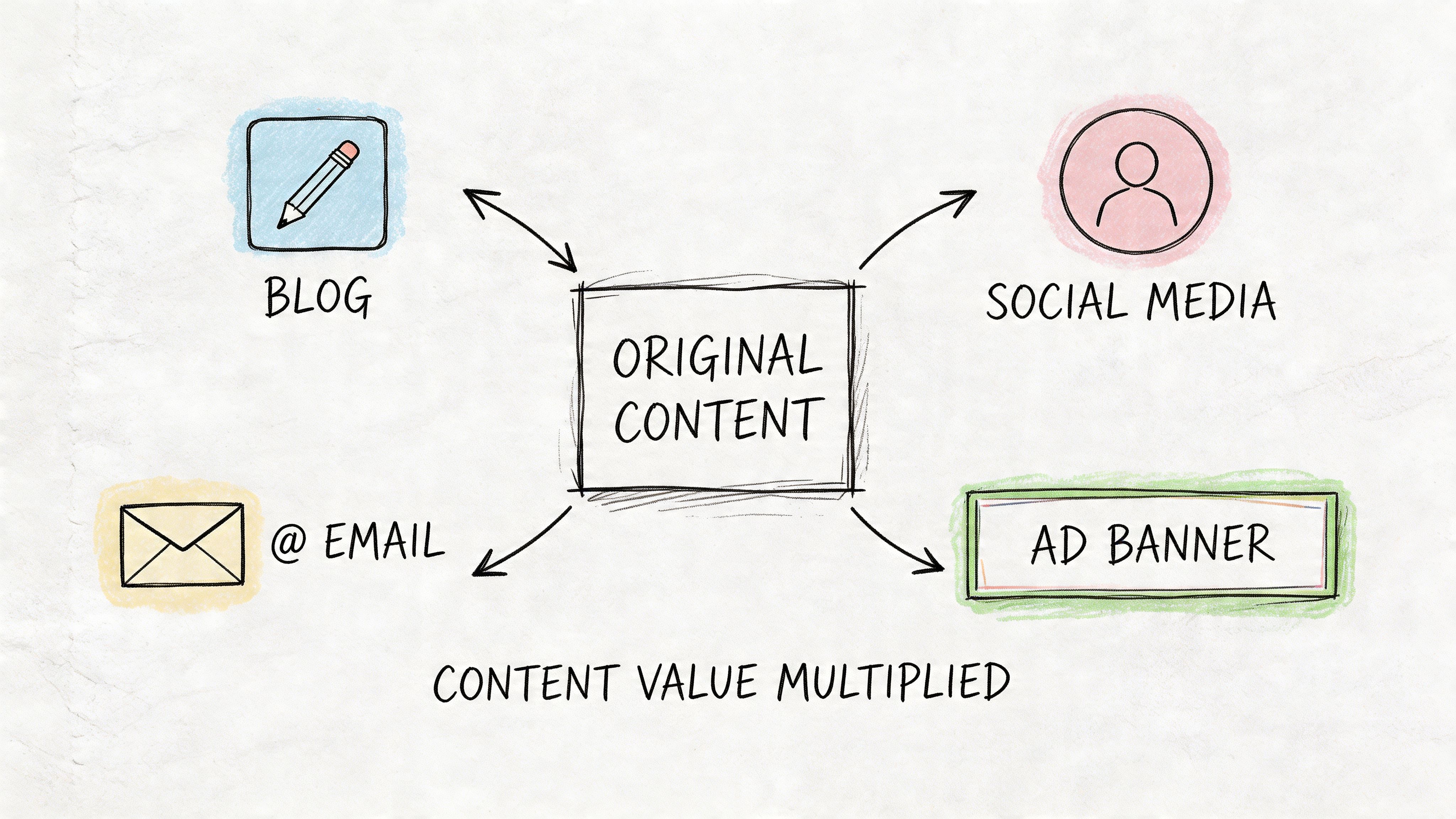
Strong creator content should enter an asset system
If a creator video performs well, don’t let it die in a campaign recap deck.
It should move into a structured library with tags for:
- creator name
- product or menu item
- audience angle
- season or campaign
- content type
- usage rights status
- performance notes
Without that, teams keep paying for content they’ve effectively already bought.
A practical reference for structuring that process is how to build a creator content library for your brand. The core idea is simple. Treat creator assets like media inventory, not social leftovers.
Paid social is usually the first reuse channel
This is often where the financial case sharpens.
Creator content that feels native to feeds can work well in paid placements because it starts with human context instead of polished brand framing. The strongest pieces often have:
- a clear first-second hook
- visible product or setting early
- believable speech and reaction
- an obvious use case
- minimal overproduction
That doesn’t mean every organic creator post becomes a strong ad. Some need tighter edits, sharper opening frames, or cleaner captions. But the underlying raw material is often stronger than what brand teams produce in-house when they’re trying too hard to look like social.
Product pages and landing pages benefit from real-world proof
A polished product image does one job. Creator content does another.
On product detail pages, creator photos and short clips help people answer practical questions:
- What does this look like in normal use?
- How does it fit into someone’s routine?
- Does this feel credible beyond the brand’s own claims?
For hospitality brands, the same logic applies to venue and menu pages. A creator showing the atmosphere, pacing, plating, or group occasion often sells the experience better than a static gallery alone.
Good reuse doesn’t just increase output. It increases trust at decision points.
Email and organic channels get cheaper when the library is healthy
Once you have a decent bank of approved creator assets, your owned channels become easier to run.
Email teams can plug in creator quotes, social proof, use-case clips, and fresh visual variation without organising a new shoot. Organic social teams can fill the calendar with content that already feels audience-native. Performance teams can test multiple hooks and edits from the same original footage.
That’s why asset reuse isn’t a side benefit. It’s a compounding advantage.
Not every asset should be reused in the same way
At this stage, judgment matters.
A quick way to sort creator content:
- High-conversion asset: reuse in paid and landing pages
- High-trust asset: place in email, PDPs, and testimonial sections
- High-reach asset: adapt for organic reposting and awareness campaigns
- High-local-relevance asset: use in location pages, local ads, and Google Business updates where appropriate
The content itself tells you where it belongs. A punchy testimonial clip may be weak on a creator’s feed but strong in a retargeting ad. A lifestyle restaurant montage may be poor at driving immediate bookings but excellent for top-of-funnel local awareness.
Rights and organisation decide whether reuse actually happens
Brands often say they want to reuse creator content, then realise the usage rights are unclear, the files were never collected properly, and nobody can find the final approved version.
That’s not a creative problem. It’s a process problem.
If you want creator content to support long-term brand & content strategy, lock this in every time:
- reuse terms agreed upfront
- original files collected centrally
- approval status recorded
- winning hooks and angles documented
- top assets tagged for future testing
When that system exists, a creator campaign stops being a one-time expense and starts acting more like a rolling content supply chain.
Your Blueprint for Repeatable Growth
The teams that get the most from creator marketing usually stop treating it like a series of deals and start treating it like infrastructure.
That shift changes the work. You define the campaign role before outreach. You choose creators against a clear profile. You brief with enough structure to protect the brand without flattening the creator. You manage production through a real workflow. You track every collaboration against business outcomes. Then you reuse the strongest assets across the rest of the marketing stack.
That’s how brand & content starts compounding.
You don’t need a bigger creator list to get there. You need a tighter system. One that reduces manual work, gives the team better signal on what performs, and turns each collaboration into something more durable than a single post.
Start with one campaign. Build the workflow properly. Then repeat what proves itself.
If you're trying to turn creator marketing into a measurable operating channel rather than another spreadsheet-heavy task, Sup helps brands source creators, manage campaigns, track attribution, and organise content for reuse across ecommerce, hospitality, and multi-location growth programmes.
More on programs
See how many creators post about you and your competitors
Type in your brand's Instagram handle and we count the creators who post about you and about your five closest competitors. It takes about a minute and it is free. Or request a demo and we will show you the creators in your niche and walk you through the dashboard.
 Book a call