26 May 2026
Top 7 Beauty Influencers UK for Brands in 2026
Beyond the follow count, a brand's guide to UK beauty starts with a simple reality. You've got a launch date, stock is landing, paid media is booked, and someone on the team has asked for a shortlist of beauty influencers UK buyers will trust. Then the usual mess begins. One list is built for fans, another is outdated, and half the names look great on paper but don't fit your price point, claims profile, or retail plan.
That's the gap this guide is built to close. The UK is projected to remain a major creator market, with the influencer marketing market forecast to reach £2.9 billion in 2026, up from £2.36 billion in 2024, and the UK described as the largest influencer marketing market in Europe in these UK influencer marketing projections. For beauty brands, that means more budget in the channel, but also more pressure to choose creators who can do more than generate vanity metrics.
If you're planning complexion, skincare, lip, or education-led launches, you need creators whose content style matches the buying journey. Some are best for prestige positioning. Some are better for tutorials that keep converting months later. Some are strongest when paired with retailer support, sampling, and paid amplification. If you're also refining content hooks, this guide to flawless lip liner application is a useful example of the kind of practical beauty education audiences save.
1. Lisa Eldridge
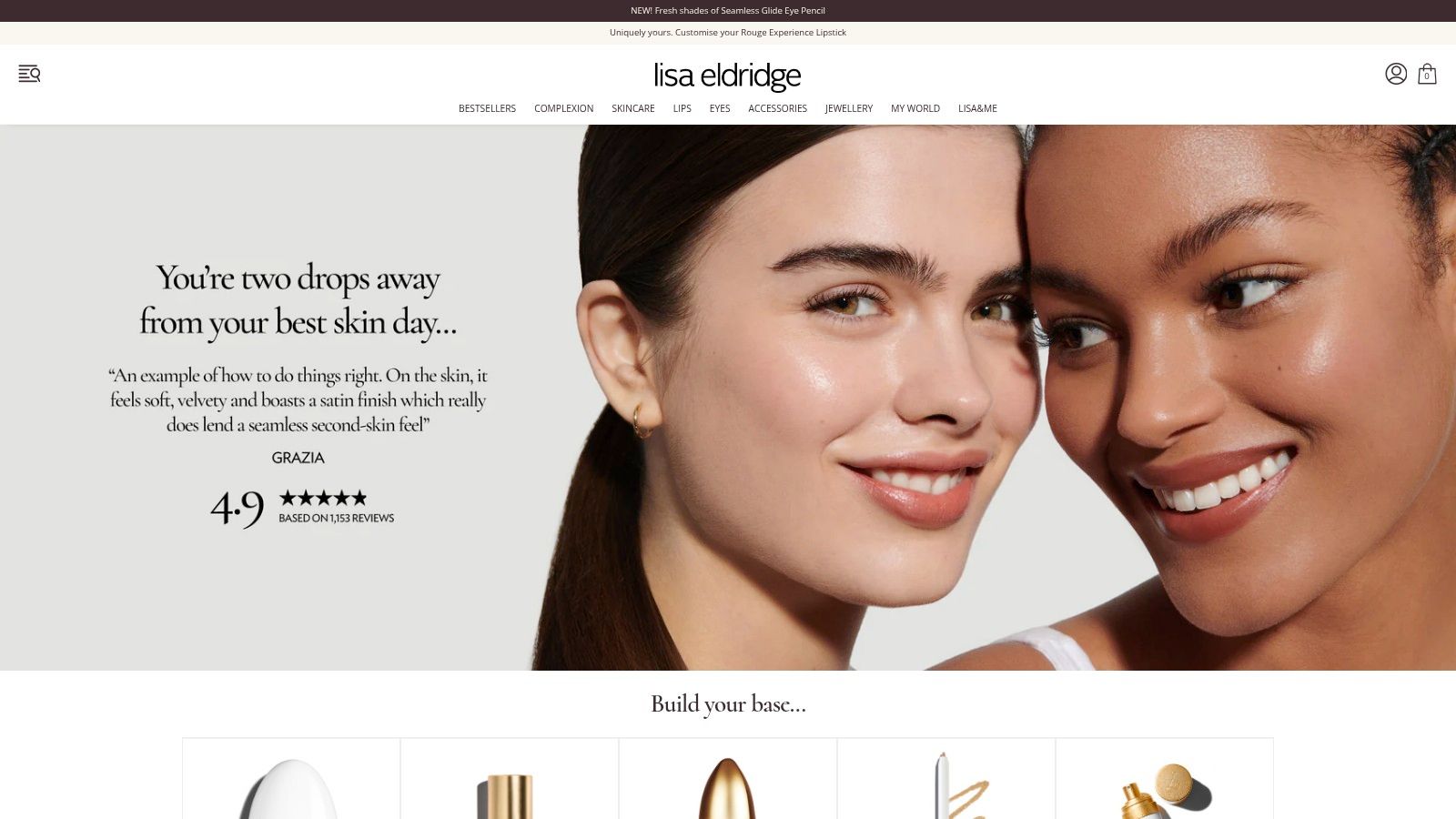
Lisa Eldridge is one of the safest prestige picks in UK beauty. She sits in the rare category where authority, technique, editorial credibility, and commerce all reinforce each other. For brands, that matters because you're not buying access to a trend cycle. You're buying trust built around method, finish, and product performance.
Her content is especially strong when the brief needs explanation. Think complexion, undertone matching, lip structure, brush technique, or premium launch storytelling. A well-placed integration in a technique-led tutorial can keep working long after a launch week spike has faded.
Best campaign fit
The strongest fit is premium makeup, tools, and selective skincare with clear product education angles. She's also useful for evergreen launch assets that a brand can build wider creator strategy around, especially if your team wants a hero creator to anchor the message before rolling out broader seeding.
A good way to think about Lisa is as a standard-setter. She can define the visual language of a launch, then smaller creators can localise and scale it. That's often a more efficient structure than expecting one large creator to do everything. If you're building that layered plan, this piece on creator marketing for beauty brands is a sensible companion read.
Practical rule: Use Lisa Eldridge for campaigns where the brief benefits from slower consideration and repeat viewing. Don't use her if you only want quick trend participation.
Trade-offs brands should expect
- Premium brand fit: She's best for luxury or prestige-adjacent launches, not discount-led pushes.
- Lower volume: Expect fewer, more considered assets rather than a high-frequency burst.
- Strict alignment: If your claims are loose, your packaging feels gimmicky, or your positioning is unclear, this won't be the right match.
For outreach, start at Lisa Eldridge and approach with a concrete point of view. Generic “we love your content” outreach won't land. Product shade architecture, finish, educational hook, and usage rights should be clear from the first email.
2. Fleur De Force
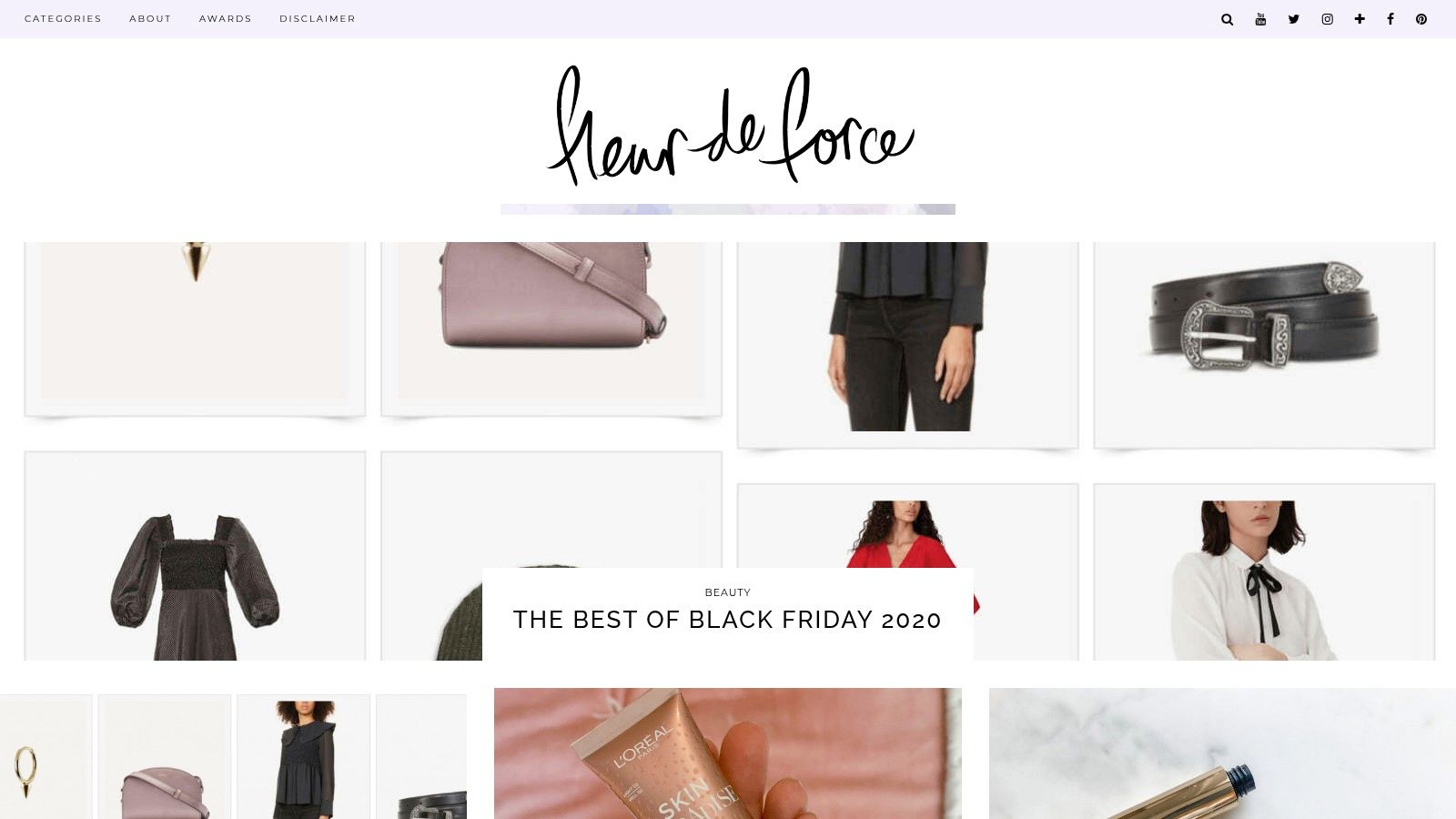
Fleur De Force is valuable for a different reason. She's not just a social creator. She's a publishing surface. That changes how a beauty brand should evaluate her, because you're not only looking at feed placement or story frames. You're looking at social distribution plus site-based content that can keep supporting branded search and consideration.
That's particularly useful for launches that need more context than a short-form post can provide. Gift edits, routine roundups, seasonal recommendations, and product reviews all sit naturally in her ecosystem.
Where she works best
Fleur suits established consumer beauty brands that want broad UK relevance rather than a narrow artistry niche. She's often a better fit for gifting, mainstream premium, bath and body, fragrance-adjacent beauty, and polished daily-use products than for highly technical pro-only launches.
A mature audience can be an advantage here. You're often speaking to buyers with existing habits and repeat purchasing behaviour, not just viewers chasing novelty. If your wider shortlist includes creators outside beauty, this broader view of Instagram influencers in the UK helps benchmark where beauty sits inside lifestyle-led creator planning.
The practical upside is reliability. Fleur's long-running presence makes her useful when a brand wants steady messaging and a low-drama collaboration environment.
Comments that ask where to buy, whether a shade suits a skin type, or how a product compares to an old favourite are often more useful than raw like counts.
Brand-side considerations
A UK-specific survey of 197 hair and beauty SMEs found that 21% actively use influencer marketing, and among the businesses that do use it, influencer marketing was reported as the most effective channel for generating sales in that sample. The same report says brands seeking sales should consider nano or micro influencers because they typically have higher engagement rates and stronger purchase influence, as outlined in this hair and beauty SME influencer report. Fleur's role in that mix is usually upper-funnel trust and consideration, not your only conversion engine.
Use her when you want:
- Search-supportive content: Blog or site-hosted content can keep helping after social reach fades.
- Seasonal relevance: Christmas edits, summer kits, travel routines, and gifting campaigns fit naturally.
- Mainstream credibility: She's easy to place in a wider media and PR plan.
Start via Fleur De Force, and build in lead time. She's better for planned campaigns than last-minute scrambling.
3. Wayne Goss
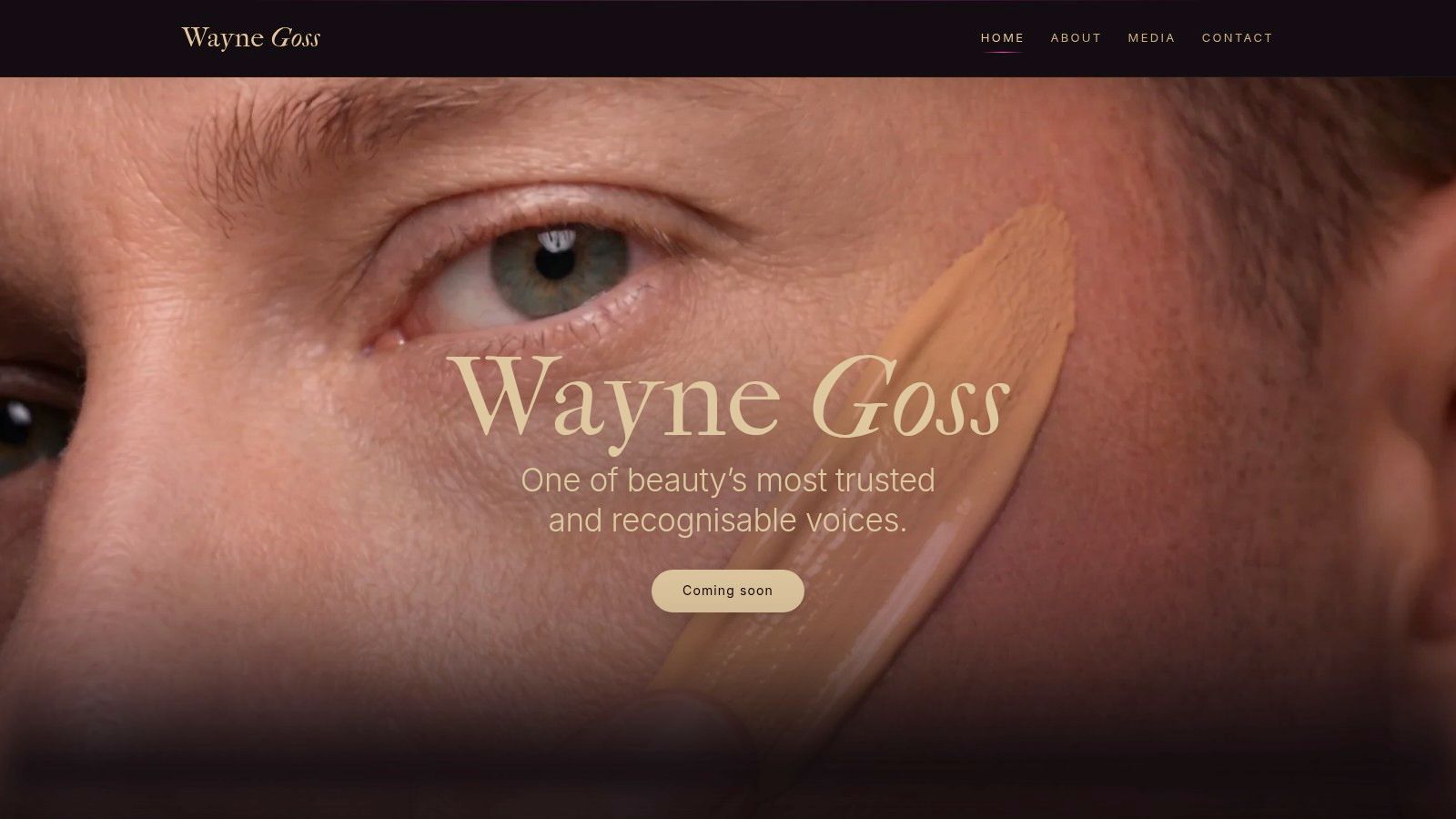
Wayne Goss is the creator I'd shortlist when a product has to stand up to scrutiny. His appeal isn't trend-chasing. It's clarity. He explains why a product works, where it fails, and how technique changes the result. That makes him especially useful for tools, complexion, primers, concealers, powders, and brushes.
If your team is selling a technical advantage, Wayne is stronger than a creator whose strength is mood or lifestyle aspiration. His audience tends to care about performance and application, which usually means a better fit for functional briefs.
Strongest use cases
Commercially, his profile is compelling. He has an owned storefront, recognised brush authority, and a long history of practical beauty education. That opens up more than one route for partnership. Standard paid content is one option, but affiliate structures, tutorial-led product drops, or tool-first campaign concepts often make more sense.
He's less useful if your brief depends on a viral dance, a fleeting meme format, or heavy Gen Z trend language. For that, you'll need another layer in your creator mix. If your launch overlaps with fashion styling, event glam, or presentation-led aesthetics, it can help to compare adjacent creator types through this list of fashion influencers in the UK.
What works and what doesn't
- Works well: Brushes, complexion systems, technique corrections, shade selection education.
- Usually weaker: Hyper-trend launches where speed matters more than authority.
- Watch out for: Endorsements that feel too commercial. His audience expects discernment.
With Wayne Goss, the brief has to respect the audience's intelligence. If the script sounds like ad copy, the collaboration loses its value.
There's also a broader planning lesson here. Beauty benchmark data cited in this beauty marketing statistics roundup says micro-influencers deliver stronger engagement efficiency than mega-influencers in beauty, and that brands using networks of 50+ creators can see lower CPA than single-celebrity campaigns. Wayne is best used as a credibility layer inside a wider creator system, not as the whole programme.
For contact and brand context, use Wayne Goss.
4. Caroline Hirons
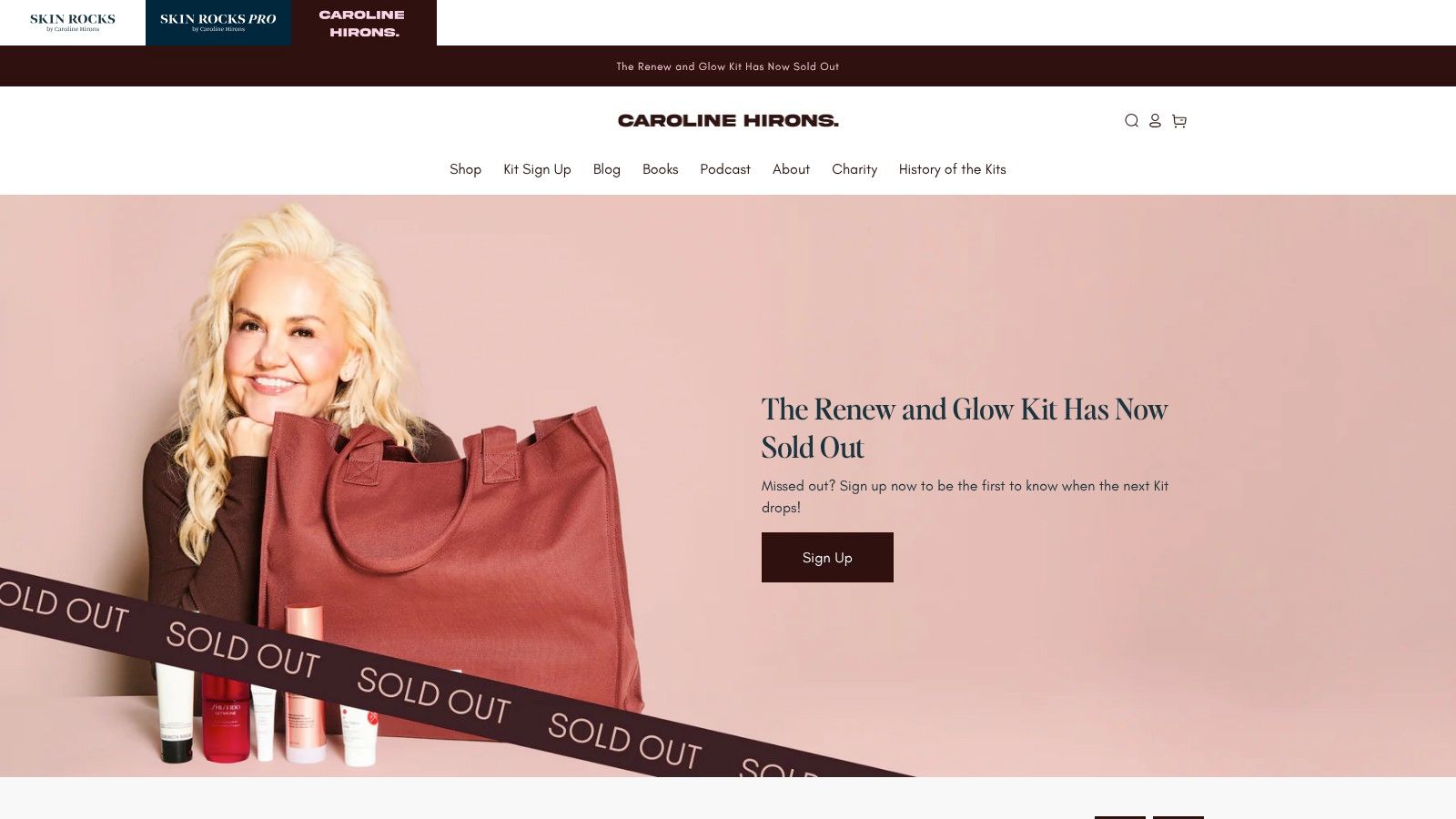
Caroline Hirons is not the right pick for every beauty brief. For skincare, though, she can be one of the most commercially serious options in the UK. Her audience expects detailed explanation, regimen logic, and product substantiation. That's useful if your formula story is strong. It's a problem if your messaging relies on vague promises.
She works best for skincare launches where education is part of conversion. Cleansers, acids, barrier repair, treatment serums, and routine architecture all fit naturally. A lipstick launch without a skincare angle is far less likely to make sense.
Why brands use her
Caroline's value sits in depth, not just reach. Her ecosystem spans long-form content, commerce, and a loyal community that often wants practical guidance before purchase. If your internal team is debating whether to push broad awareness or informed consideration, she is firmly on the informed consideration side.
That also means your legal and regulatory standards need to be tight. Product claims, substantiation, ingredient framing, and before-and-after language all need scrutiny before outreach starts.
Brand warning: Don't send a skincare creator a deck full of inflated language and expect trust to transfer. In skincare, weak claims kill partnerships early.
Execution notes
Her style suits:
- Ingredient-led launches: Where the formula story can stand on its own.
- Routine education: AM/PM usage, layering, and who the product is for.
- Retail moments: Bundles, edits, or curated selections that help simplify choice.
It's also worth remembering a compliance point many teams miss. Viewer concerns around beauty transformations often focus on lighting, camera angle, distance, and makeup altering perceived results, as discussed in this video on authenticity in beauty before-and-after content. That matters even more in skincare, where audience trust can evaporate quickly if visuals feel manipulated.
Go through Caroline Hirons only when your product can survive close questioning. If it can, she's one of the better partners for skincare authority in the beauty influencers UK scene.
5. Katie Jane Hughes
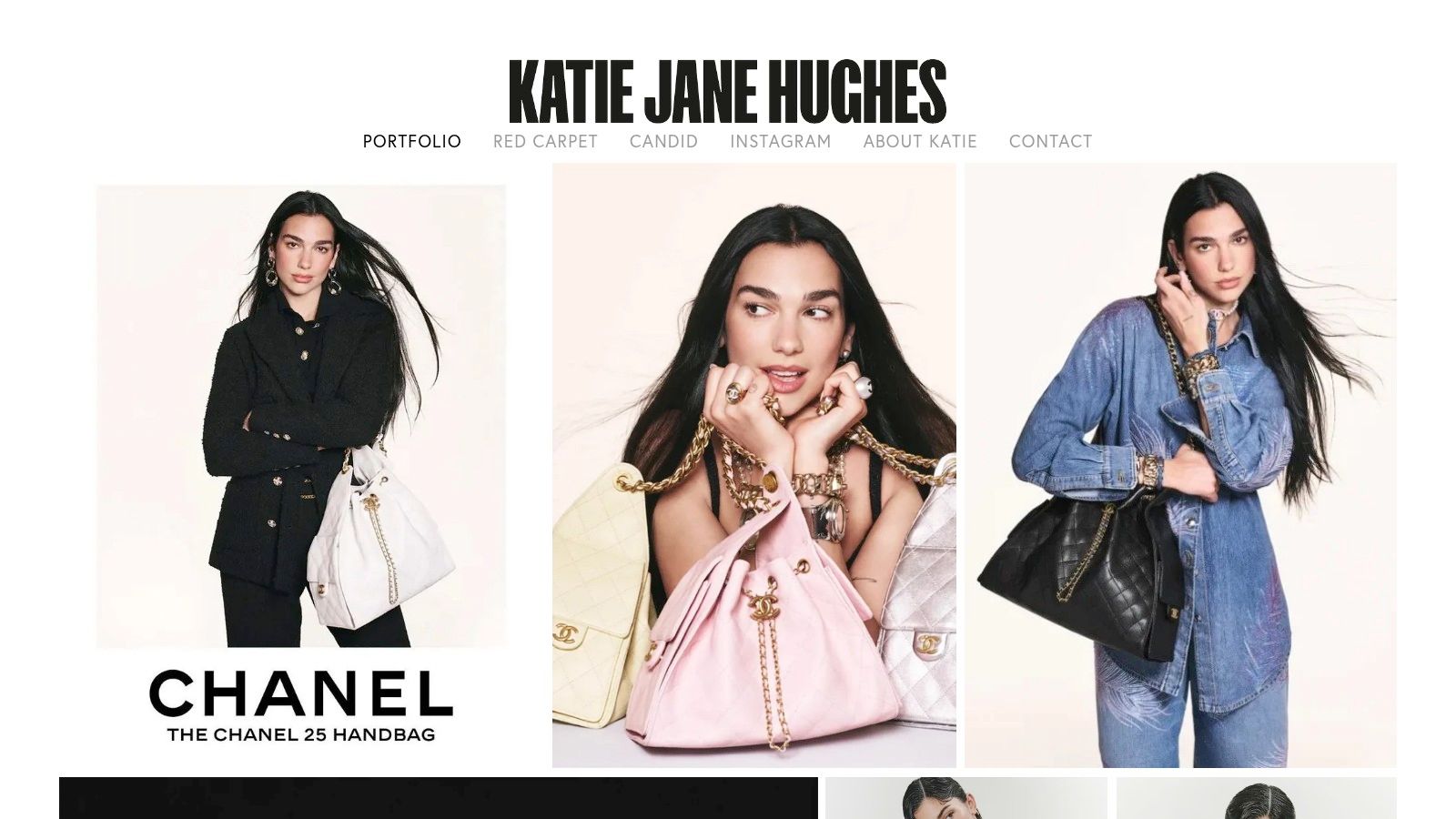
Katie Jane Hughes is where editorial polish meets usable consumer content. That combination is harder to find than brands assume. Plenty of artists can create beautiful looks. Fewer can turn that artistry into repeatable short-form assets that people save, copy, and shop from.
Her style is instantly recognisable. Glossy skin, modern colour, fresh texture, and brush-led technique all translate well on camera. For a brand, that makes her a strong fit when the brief needs visual distinction without drifting into inaccessible runway territory.
Best campaign role
Katie works well for launches that need aspiration and practicality in the same frame. Cream complexion, blush, skin tints, modern lip colour, brushes, and tools are obvious fits. She's also good for product education that needs pace. Short-form content can test multiple hooks quickly, then your team can amplify whichever angle gets the strongest response.
What I wouldn't do is use her for a discount-first campaign or a purely transactional brief. Her value is in taste, credibility, and desirability. If procurement pushes for a creator focused on outputting more volume for less, this won't be the best spend.
Trade-offs to plan for
- Premium usage expectations: Cross-platform rights, whitelisting, and paid amplification usually need careful negotiation.
- Availability: UK relevance is strong, but logistics can be more complex than with a London-only creator.
- Creative standards: The visual bar is high, which is good for the brand, but means you need a clear brief and approvals process.
A practical note for agencies. Katie often makes more sense as one of your hero assets, then you brief smaller creators to translate the aesthetic into broader shade ranges, skin types, and budget tiers. That's where genuine efficiency usually appears in UK beauty campaigns.
For outreach and brand context, use Katie Jane Hughes.
6. Cher Webb
Cher Webb is a strong commercial operator for brands that care about retail alignment and polished demonstration. She doesn't rely on hype. She delivers clear beauty content, product curation, and artist-led authority that fits neatly into retailer campaigns, tutorials, and masterclass formats.
That makes her especially useful for brands selling through UK stockists, beauty halls, or multi-brand retail environments. If your launch plan includes retailer support, in-store visibility, event content, or editorial-style product education, Cher is often easier to activate than a creator whose content is built around personality-first entertainment.
Why she's practical for brands
Her background as a working makeup artist gives her content a service mindset. She tends to break down products in a way shoppers can use. That's valuable when the objective is not just awareness, but helping someone decide between finishes, shades, or formats.
She's also well suited to content that can be repurposed. Retailers, email teams, PR teams, and social teams can all use artist-led education if usage rights are negotiated properly from the start.
A smaller or more boutique profile isn't a weakness if you plan correctly. In fact, it can be an advantage when you want quality branded content and a more collaborative working rhythm. The trade-off is reach. If the campaign needs broad scale, pair her with paid media or a larger creator tier.
Best-fit briefs
- Retail partner support: Product edits, how-tos, launch moments, and shopping guides.
- Live education: Masterclasses, events, counter activity, and expert Q&A.
- Authority-led beauty content: Especially where breakdown and application matter.
Cher Webb is often a better buy for education and retailer conversion support than for pure social reach.
One more strategic point belongs in any UK beauty shortlist. Representation and pay equity matter. This report on the pay gap for Black creators in beauty cites a gap in which Black influencers are paid less than white influencers, and notes that this persists in creator markets relevant to beauty. Agencies and brands should review rate-setting and shortlist construction before campaigns go live.
For direct contact and portfolio review, visit Cher Webb.
7. Kaushal
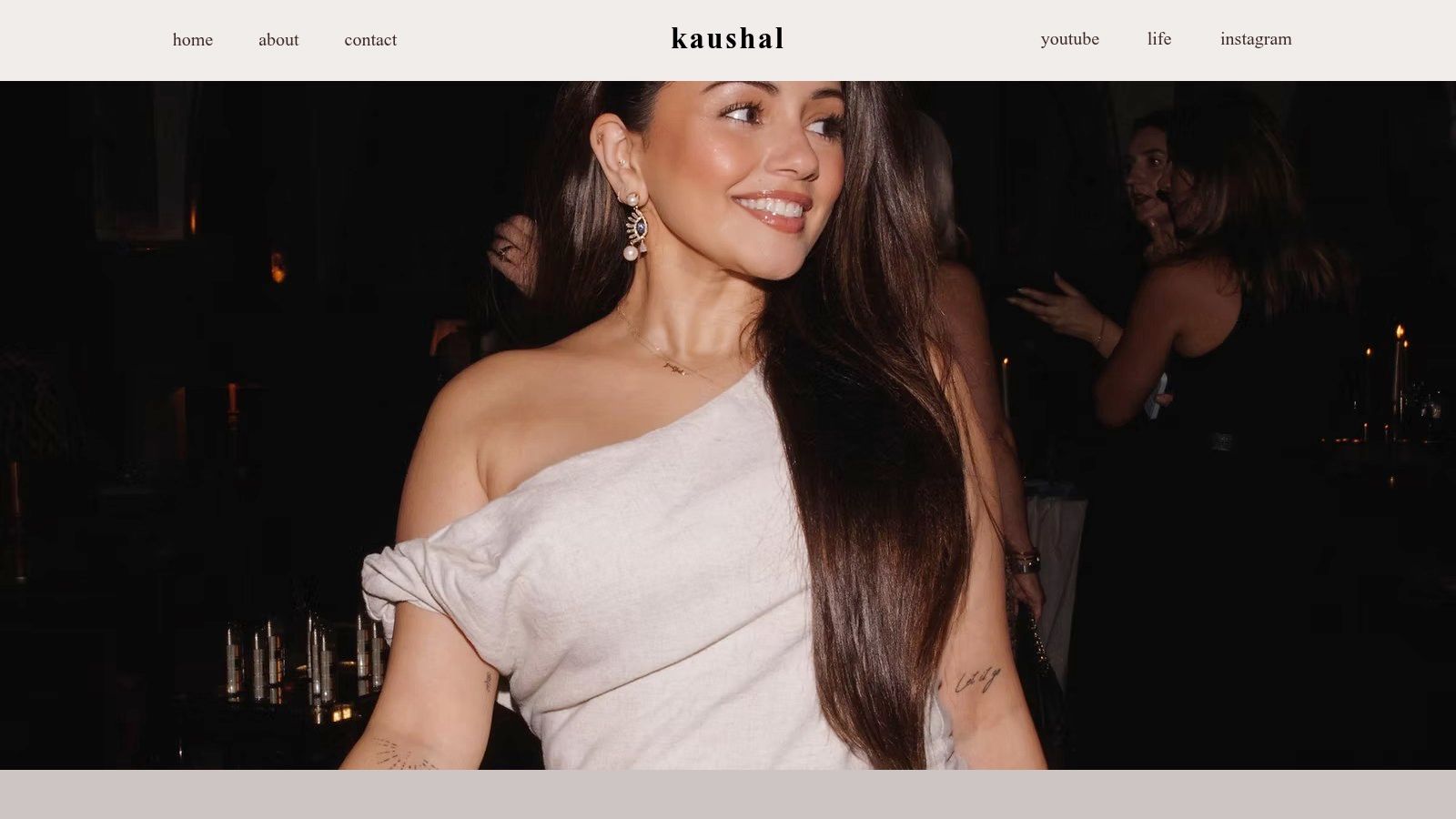
Kaushal brings something many brand shortlists still lack. She offers clear relevance for multicultural UK beauty audiences, especially where bridal glam, deeper complexions, olive undertones, and occasion makeup all intersect. That's commercially important because these aren't side niches. They're real buying communities with specific product needs and high intent moments.
Her content is approachable, not intimidating. That matters for conversion. A creator can be highly skilled and still make viewers feel that a look isn't for them. Kaushal generally avoids that problem by making glam feel achievable.
Where she adds the most value
Foundation, concealer, bronzer, lip, bridal, festive, and event-ready categories all fit naturally. She's especially useful when a launch needs shade guidance and visual reassurance for consumers who are often underserved by generic campaign casting.
Long-form tutorials are another strength. In a market obsessed with short-form, brands sometimes forget that longer videos can handle objections better. Shade choice, undertone confusion, layering, and finish all benefit from a format that gives the creator room to explain.
What to watch
Her cadence can be less predictable than creators built around constant trend participation, so planning matters. She's also not the obvious pick if your whole strategy depends on ultra-fast TikTok trend replication.
That said, for inclusivity-led product launches, she can do something more valuable than trend-chasing. She can help a buyer feel seen in the campaign itself.
Use Kaushal when you need:
- Inclusive complexion guidance: Shade matching and undertone explanation.
- Occasion-driven content: Bridal, party, ceremony, and event beauty.
- Trust with multicultural UK audiences: Especially where representation has to be credible, not tokenistic.
For direct brand and contact information, go through Kaushal.
Top 7 UK Beauty Influencers Comparison
| Creator | 🔄 Implementation Complexity | Resource Requirements ⚡ | Expected Outcomes ⭐📊 | Ideal Use Cases | Key Advantages 💡 |
|---|---|---|---|---|---|
| Lisa Eldridge | High 🔄 (strict brand fit, low cadence) | High ⚡ (premium fees, pro production) | ⭐⭐⭐⭐⭐ 📊 High conversion; long‑life educational content | Premium launches; evergreen tutorials; shoppable integrations | Luxury credibility; owned product line enables seamless commerce |
| Fleur De Force | Medium 🔄 (multi‑platform + blog coordination) | Medium ⚡ (planning lead times) | ⭐⭐⭐⭐ 📊 Reliable UK reach; SEO value from blog | Gifting, reviews, seasonal edits; SEO‑driven campaigns | Established blog audience; trusted millennial UK consumers |
| Wayne Goss | Medium 🔄 (technique‑first, selective endorsements) | Medium ⚡ (product demos, potential co‑drops) | ⭐⭐⭐⭐ 📊 Strong conversion for tools, brushes and complexion | Tutorials, product performance demos, tool launches | High viewer trust; candid, performance‑led content |
| Caroline Hirons | High 🔄 (evidence‑based requirements) | High ⚡ (rigorous substantiation; commerce ops) | ⭐⭐⭐⭐⭐ 📊 Deep engagement; proven kit sell‑outs | Skincare launches; ingredient education; kit drops | Authoritative, ingredient‑led advice with commerce results |
| Katie Jane Hughes | Medium 🔄 (short‑form focus; premium positioning) | Medium ⚡ (cross‑platform production; premium fees) | ⭐⭐⭐⭐ 📊 Strong visual engagement; rapid short‑form testing | Short‑form reels/shorts; visual‑led launches; tool/education hooks | Distinctive aesthetic; high short‑form output and credibility |
| Cher Webb | Medium 🔄 (retailer alignment; polished formats) | Medium ⚡ (boutique scale; may need amplification) | ⭐⭐⭐ 📊 Polished conversion for retailer‑aligned content | Retail partnerships, masterclasses, curated shopping edits | Retail/media experience; clear product breakdowns |
| Kaushal (Kaushal Beauty) | Medium 🔄 (long‑form tutorials; planning needed) | Medium ⚡ (long‑form production) | ⭐⭐⭐⭐ 📊 Strong saves/shares; high relevance for inclusive complexion | Inclusive shade launches, bridal campaigns, step‑by‑step education | South Asian/multicultural reach; inclusive shade guidance |
From Selection to Scale: Activating Your Influencer Strategy
A UK beauty launch often stalls at the same point. The shortlist looks right, the content looks polished, and the reporting deck still fails to answer a basic commercial question. Which creators changed buying behaviour, and which ones only generated attention?
That usually comes down to campaign design, not creator quality. Brands get better results when each influencer has a defined job in the plan. One creator can establish trust for a premium launch. Another can handle ingredient education, shade concerns, or retailer-driven comparison content. If those roles are blurred, briefs get vague, fees rise, and performance becomes hard to read.
The strongest programmes are built around audience behaviour. Comment quality matters more than top-line reach. Look for recurring product questions, routine objections, restock requests, shade-match discussions, and signs that followers act on recommendations. Then review recent brand work. If a creator jumps across too many unrelated categories, the endorsement carries less weight, even if the content still performs on views.
Outreach should reflect that level of planning. A good brief states the product, the commercial reason for the match, the content format, the approval process, and the usage rights. It should also account for the creator's actual strength. Technique-led talent usually sells through demonstration. Retail-oriented creators often perform better with comparisons, edits, and basket-building angles. Inclusive beauty creators need a brand to show that shade range, swatching, and imagery will hold up under scrutiny.
Budget is where many plans break.
Too much spend goes into one recognisable name, while the wider creator mix is left underfunded. That can help with launch optics and retailer conversations, but it rarely builds enough repetition to support sustained conversion. In beauty, sales often come from seeing the same product used in different routines, on different skin tones, and at different price points.
A more reliable structure is to use one or two established names for authority, then build volume through micro and nano creators with trackable links, codes, seeded product, and repeat briefs. That gives a brand cleaner signals on who drives clicks, who drives saves, and who moves product. It also makes optimisation possible because the sample size is large enough to compare formats, hooks, and audience segments.
Execution gets messy quickly. Sourcing, contracting, product fulfilment, approvals, rights management, and reporting can slow a team down long before budget becomes the main constraint. Sup is one option for running a structured micro and nano creator programme with tracking and campaign management built in, and you can review it at https://sup.co.
The best UK beauty influencer programmes are planned like a channel, not a one-off list. Clear creator roles, disciplined measurement, and enough testing volume give brands something far more useful than reach. They get a repeatable acquisition system.
More on recruitment
See how many creators post about you and your competitors
Type in your brand's Instagram handle and we count the creators who post about you and about your five closest competitors. It takes about a minute and it is free. Or request a demo and we will show you the creators in your niche and walk you through the dashboard.
 Book a call